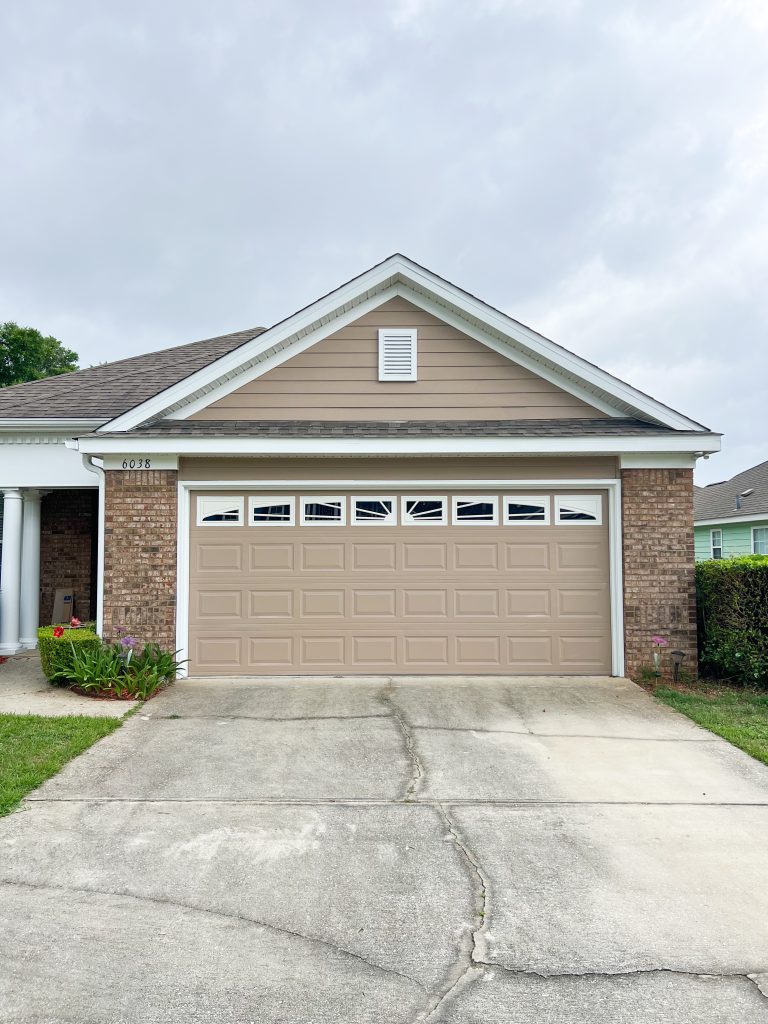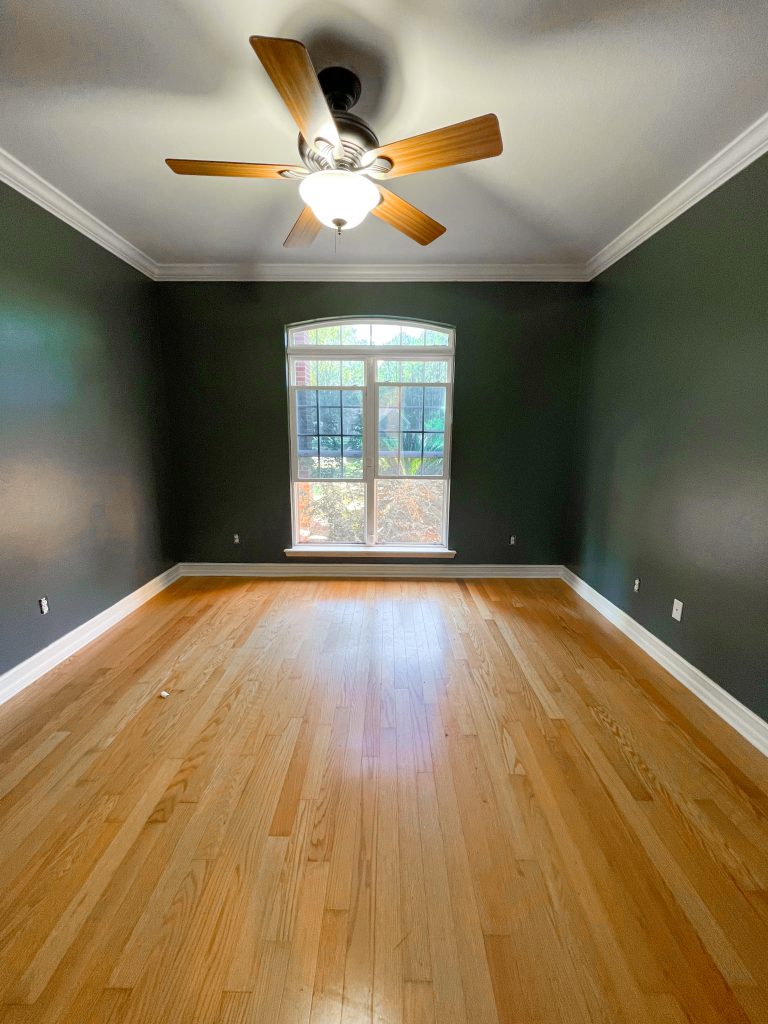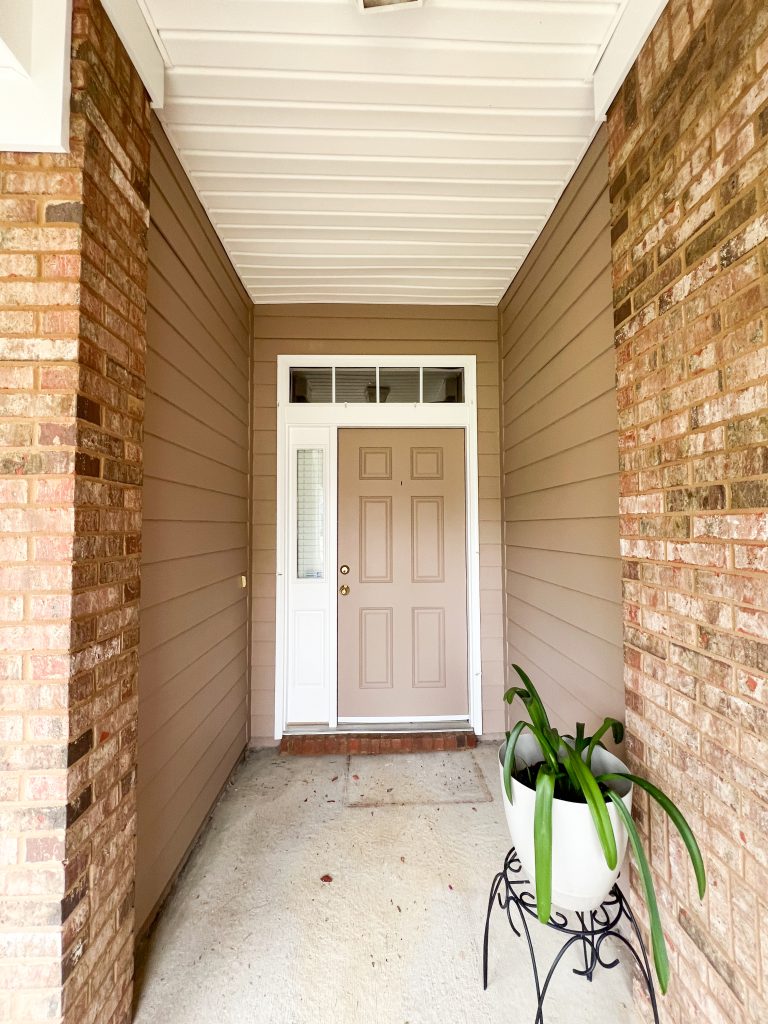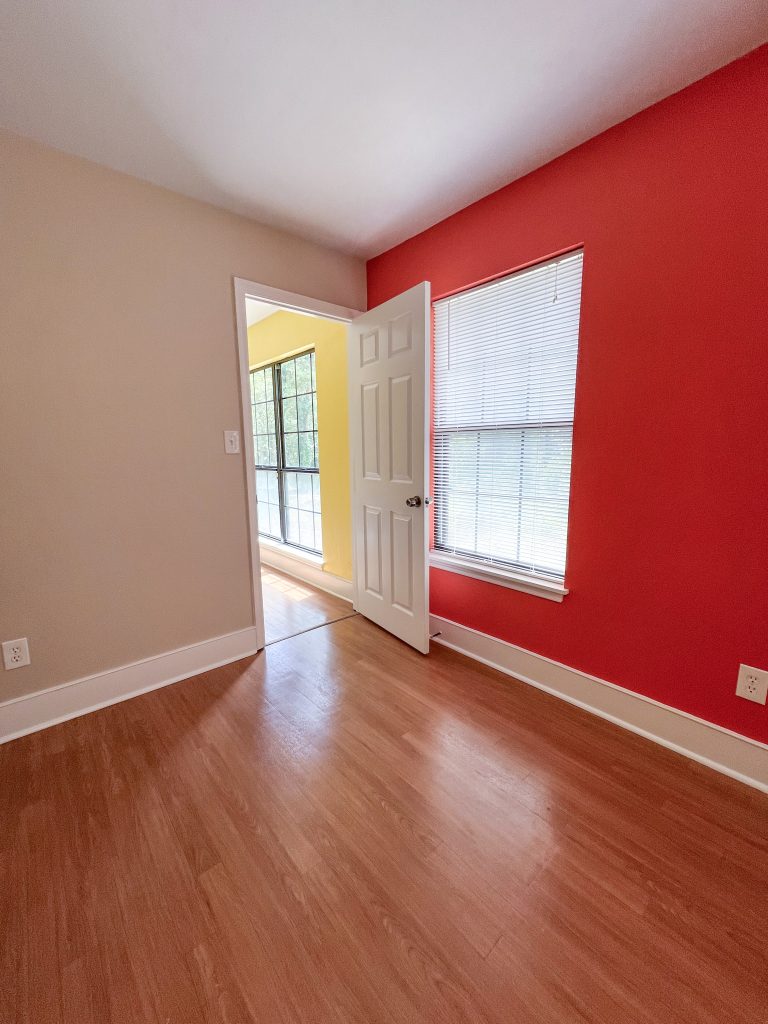
Repainting is not only about appearance. A quality paint system protects siding, stucco, trim, drywall, wood doors and other surfaces from daily exposure. When paint begins to fail, small cosmetic issues can turn into larger repair problems.
Why Repainting Matters
Paint acts as a protective barrier between your home and the environment.
On the exterior, paint helps protect surfaces from sunlight, rain, humidity, wind, mildew, and temperature changes. On the interior, paint helps walls resist stains, scuffs, moisture, and everyday wear.
When paint loses adhesion or durability, the surface underneath becomes more vulnerable. This is especially important for wood, stucco, siding, trim, and areas exposed to moisture.
Fading Exterior Paint
Fading is one of the most common signs that a home needs repainting.
Sunlight and ultraviolet exposure gradually break down paint pigments. Dark colors, bright colors, and heavily exposed walls often fade faster than lighter shades.
Fading usually appears first on south-facing and west-facing exterior walls because these areas receive more direct sunlight during the day.
If one side of your home looks noticeably lighter than the others, it may be time to repaint.
Peeling or Flaking Paint
Peeling paint means the coating is no longer bonding properly to the surface.
This can happen when moisture gets behind the paint, when the surface was not properly prepared, or when the paint has reached the end of its lifespan.
Peeling is common around windows, doors, fascia boards, trim, and wood siding. These areas often experience water exposure and movement from expansion and contraction.
Once paint begins to peel, the exposed surface can absorb moisture and deteriorate more quickly.
Cracking Paint
Cracking paint is another clear warning sign.
Small cracks may appear when the paint becomes brittle from age, sun exposure, or repeated temperature changes. Over time, these cracks can widen and allow moisture to reach the surface underneath.
On exterior surfaces, cracking paint should be addressed early to prevent peeling, wood damage, or stucco issues.
On interior walls, cracking may also indicate movement, poor adhesion, or previous paint failure.
Bubbling or Blistering Paint
Bubbles or blisters form when paint lifts away from the surface.
This often happens because of trapped moisture, excessive heat, or painting over a damp surface. Exterior walls, bathrooms, kitchens, and laundry rooms are common areas where blistering can appear.
Blistering should not be ignored. Once paint separates from the surface, it can break open and lead to peeling or water-related damage.
Chalking on Exterior Surfaces
Chalking happens when paint breaks down and leaves a powdery residue on the surface.
You can often identify chalking by rubbing your hand across the wall. If a white or colored powder transfers to your hand, the paint film is deteriorating.
Some chalking is normal as exterior paint ages, but heavy chalking usually means the surface needs cleaning, preparation, and repainting.
Mildew, Mold, or Algae Stains
Mildew, mold, and algae stains often appear in damp, shaded, or poorly ventilated areas.
These stains are common near landscaping, under roof overhangs, around gutters, and on walls that receive limited sunlight.
Cleaning may remove light surface stains, but recurring growth can indicate that the paint no longer has strong mildew resistance.
Before repainting, the surface should be cleaned and treated properly so stains do not return under the new coating.
Water Stains or Moisture Marks
Water stains are a sign that moisture is affecting the surface.
On exterior walls, stains may come from leaking gutters, roof runoff, irrigation overspray, or cracks in the surface.
On interior walls and ceilings, water stains may indicate plumbing leaks, roof leaks, or condensation issues.
Paint should not be applied over active moisture problems. The source of the water should be repaired before repainting.
Exposed Wood or Bare Surfaces
Exposed wood, bare siding, or visible substrate means the paint has stopped protecting the surface.
Bare wood can absorb moisture, swell, crack, or develop rot if left untreated. Bare stucco, masonry, or siding can also become more vulnerable to weather damage.
If you can see bare material beneath the old coating, repainting should be scheduled soon.
Damaged or Failed Caulking
Caulk seals gaps around windows, doors, trim, siding joints, and exterior seams.
When caulk cracks, shrinks, or pulls away, water and air can enter the gaps. This can affect both paint performance and energy efficiency.
Failed caulking is often found before or during exterior repainting. A professional paint job should include removing damaged caulk and resealing gaps with exterior-grade caulk where needed.
Stucco Cracks or Surface Wear
Stucco homes need special attention because small cracks can allow water to enter the wall system.
Hairline cracks, stained cracks, or areas with worn paint should be evaluated before repainting.
Repainting stucco without repairing cracks can trap problems under the new coating. Proper preparation may include cleaning, patching, sealing, and applying the right exterior coating.
Interior Walls Look Scuffed or Dull
Interior paint wears down from daily use.
Hallways, stairways, kitchens, bathrooms, children’s rooms, and entryways often show scuffs, fingerprints, stains, and dull spots sooner than low-traffic rooms.
If cleaning no longer restores the wall’s appearance, repainting can refresh the room and improve the overall look of the home.
Paint Color Looks Outdated
Sometimes paint is still intact, but the color no longer matches the home’s style.
Outdated colors can make an interior feel darker, smaller, or less modern. Exterior colors can also affect curb appeal and buyer perception.
A fresh color palette can update the appearance of the home without major remodeling.
You Are Preparing to Sell Your Home
Repainting before listing a home can improve first impressions.
Neutral interior colors help buyers focus on the space rather than personal style. A clean exterior can also improve curb appeal before photos, showings, and inspections.
In this situation, repainting is often a practical cosmetic improvement that supports presentation and marketability.
How Often Should a Home Be Repainted?
Repainting frequency depends on surface type, paint quality, climate, and maintenance.
Exterior paint often needs attention sooner than interior paint because it is exposed to sun, rain, humidity, and temperature changes.
Interior rooms with heavy use may need repainting more often than bedrooms or formal spaces.
Common repainting timelines include:
- Exterior siding or stucco: every 5 to 10 years, depending on climate and paint quality.
- Wood trim: every 3 to 7 years, depending on exposure.
- Kitchens and bathrooms: every 3 to 5 years.
- Hallways and children’s rooms: every 2 to 4 years.
- Bedrooms and living rooms: every 5 to 7 years.
Visible signs should matter more than the calendar. If the paint is failing, waiting longer can lead to more surface repair.
What Happens If You Wait Too Long?
Delaying repainting can make the project more expensive.
Peeling paint may require scraping and sanding. Exposed wood may need repair or replacement. Moisture intrusion can lead to mildew, rot, or staining.
A timely repaint protects the home while preparation is still manageable.
Final Thoughts
The most common signs it is time to repaint your home include fading, peeling, cracking, bubbling, chalking, mildew stains, water marks, exposed surfaces, failed caulking, and heavy interior wear.
Repainting at the right time protects your home, improves curb appeal, and helps prevent more expensive repairs.
Need a Professional Repainting Estimate?
Quality Craftmanship Painting can inspect your home, identify paint failure, recommend the right products, and provide a clean, durable finish.
Contact Quality Craftmanship Painting today to schedule a free repainting estimate.